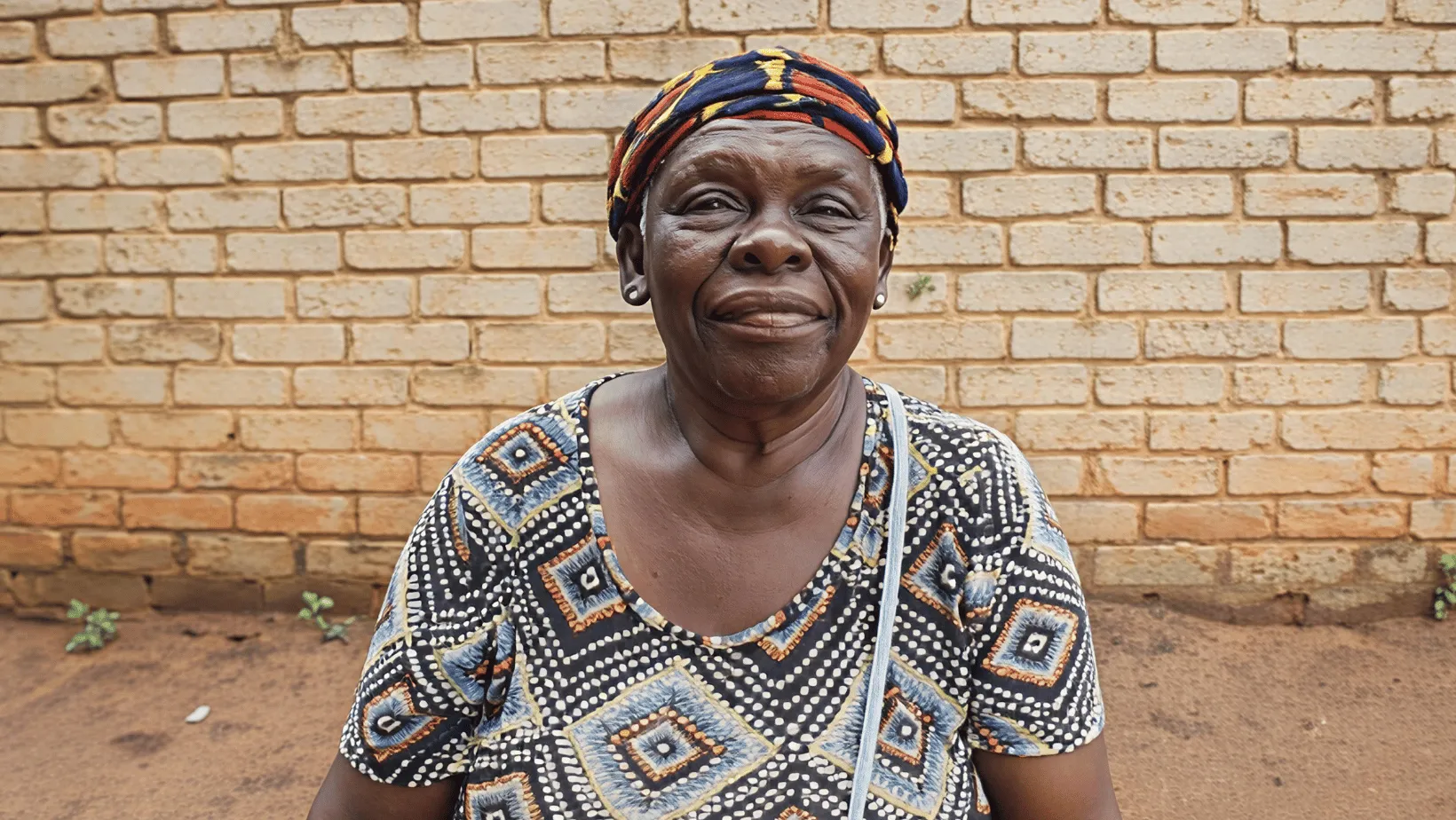
In January 2026, heavy floods swept through Mpumalanga and Limpopo causing 38 fatalities, damage to thousands of homes and causing more than R4-billion in infrastructural damage across the two provinces. This story captures the lived experience of Lindiwe, two months post the flooding and highlights the intersectional burdens of care work, poor service delivery and climate pressure, revealing how climate disasters amplify existing systemic inequalities.
----
“On that day I was badly hurt, because we
tried to use mealie meal sacks filled with
sand to stop the water from coming inside
the house, but it was useless. I even have a
scar on my foot from the bottle that cut me
when the water was pushing in.”
She was at home with her husband and their 10-year-old grandchild when the water rose.
“The water reached my knees. Our wardobe got destroyed and our bed got water as well.
That’s how bad it was. I am just grateful that all of this happened during the day when we could
all see and not at night. Even now, we have the sacks prepared just in case the flooding comes
back.”
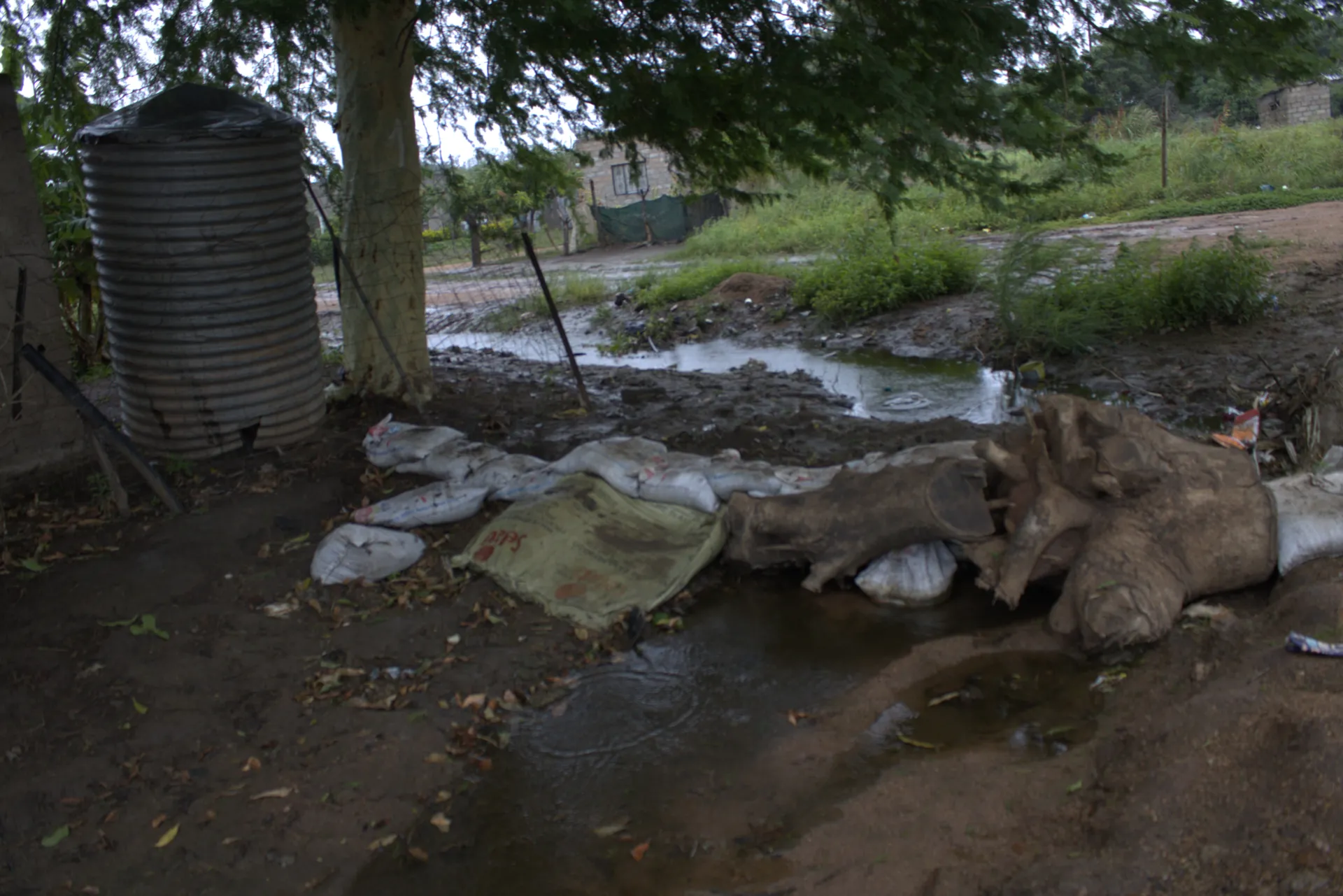
Although her house remains standing, the flood left behind thick
mud inside the home and around the outside toilet.
For two months since the flooding took place, she and the rest of
her community have been experiencing a prolonged water outage.
“It’s been two months without water. We have to walk all the way
to the municipal office to carry water back because access to the
nearby river has been closed off since the flooding took place.
Now when it rains, we place our water buckets outside to catch
the rainwater.”
Electricity interruptions have added another layer of difficulty.
“I’ve been cooking outside on an open fire for 5 days now. I cook under that tree because it
gets really hot here” she says pointing out.
“But It’s raining now. How do I cook when it’s raining?” she shares with frustration.
Lindiwe’s story reflects the daily life she and many women in her community face when having to
provide care for the household whilst simultaneously navigating climate pressures and poor service
delivery.
Whilst humanitarian support including WASH kits, food items and non-food items have provided
immediate relief, Lindiwe’s daily life remains a testament to the urgent need for restored services.